
Home - CIFAR



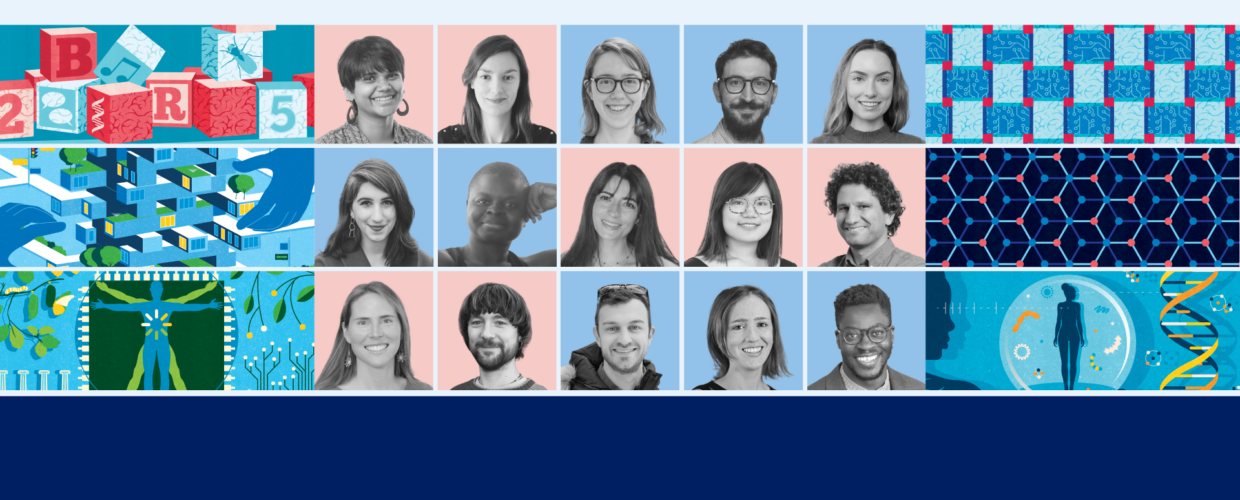


ABOUT CIFAR
CIFAR is a Canadian-based global research organization.
We convene extraordinary minds to address the most important questions facing science and humanity.
WHAT WE DO
Address the most important questions facing science and humanity.
Our programs assemble the world's top researchers to advance knowledge and change the world.
From quantum computing and artificial intelligence to innovation theory, the social determinants of health, and the microbiome, we focus on high-risk, high-reward outcomes.
WHO WE ARE
Networks of extraordinary minds.
Our community of researchers includes more than 400 researchers from 161 institutions in 18 countries.
Our fellows, chairs, scholars, and advisors are among the most highly cited researchers in the world. Twenty-three Nobel Prizes have been awarded to CIFAR-affiliated researchers.
HOW WE WORK
Focus on long-term, global, interdisciplinary collaboration.
Research
We provide researchers with an unparalleled environment of trust, transparency and knowledge sharing so they can pursue high-risk, high-reward questions.
Knowledge Mobilization
We invite experts in industry, civil society, healthcare, and government to join global research leaders for in-depth, cross-sectoral, future-focused conversations that drive change and innovation.
Artificial Intelligence
We strengthen Canada’s technical and responsible leadership in AI through the CIFAR Pan-Canadian Artificial Intelligence Strategy.
Next Generation Initiatives
We provide training, funding, and mentorship for early-career researchers to develop into research leaders.
CURRENT INITIATIVES
We pursue ideas that drive profound change.
Learn more about our latest initiatives and events.

Destination AI
Register Now
CIFAR Talks
Watch online
CIFAR Global Scholars
Research leaders