
Research Programs

OUR APPROACH
We convene extraordinary minds to address the most important questions facing science and humanity.
CIFAR's research programs bring together international, interdisciplinary researchers who work together for five-year terms. Programs are led by a director or two co-directors, engage approximately 20-40 fellows and advisors from around the world, and include two or three CIFAR Azrieli Global Scholars for two-year terms.
CIFAR research programs create impact beyond academia through a highly collaborative strategy. Target areas for impact emerge from the program’s core research agenda, and the strategy is informed by long-term, iterative exchange of ideas and perspectives between program members and non-academic stakeholders.
IMPACT CLUSTERS
CIFAR’s research programs are organized into 5 distinct Impact Clusters that address significant global issues and are committed to fostering an environment in which breakthroughs emerge.
Each cluster bridges CIFAR’s diverse global community by looking ahead to the challenges on the horizon, encouraging scholars from across disciplines to work collaboratively towards a bold and innovative future. Research programs may span multiple clusters depending on the nature and goals of their work.
Current research programs

2019, 2026
Boundaries, Membership & Belonging
Is it possible to have a world without “us” and “them”?

2003, 2007, 2012, 2019, 2025
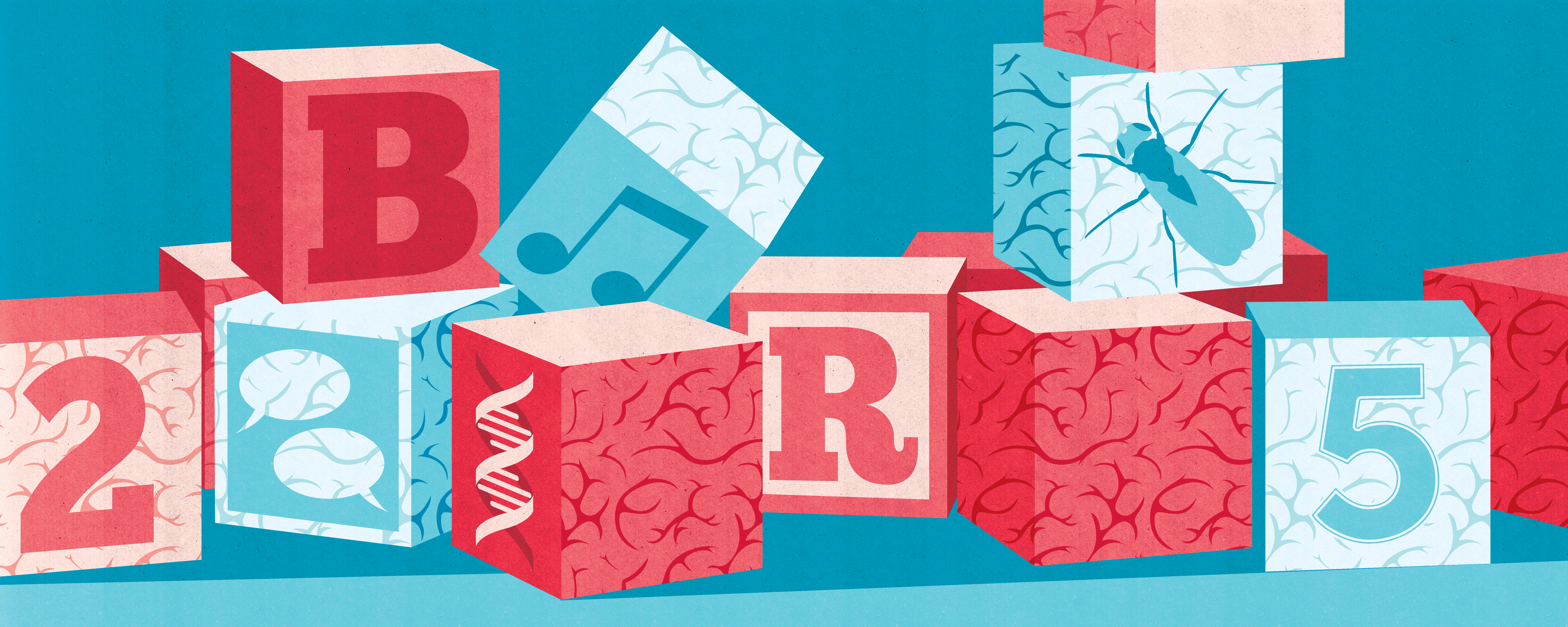
Child & Brain Development
How do childhood experiences affect lifelong health?

2019, 2026
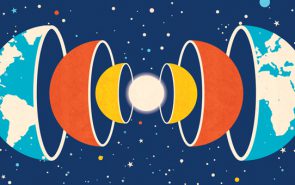
Earth 4D: Subsurface Science & Exploration
How do life, water and energy interact between the Earth’s vast subsurface and surface environments?



2014, 2026, 2020
Humans & the Microbiome
How do microbes that live in and on us affect our health, development and even behaviour?

2004, 2008, 2014, 2019, 2025
Learning in Machines & Brains
How do we understand intelligence and build intelligent machines?
1987, 1992, 1997, 2002, 2007, 2012, 2019, 2025
Quantum Materials
How could quantum materials transform our society?
Programs that are completing their work

1986, 1991, 1996, 2001, 2006, 2011, 2016, 2023
Gravity & the Extreme Universe
What is extreme gravity, and how can it help us understand the origin of the universe?
2002, 2007, 2012, 2019
Quantum Information Science
How do we harness the power of quantum mechanics to improve information processing?
Recently completed programs
2005, 2010, 2016
Genetic Networks
How do the interactions among genes influence health and development?


2014
Molecular Architecture of Life
How does life originate and what are the processes that make life possible?

OUR FELLOWS
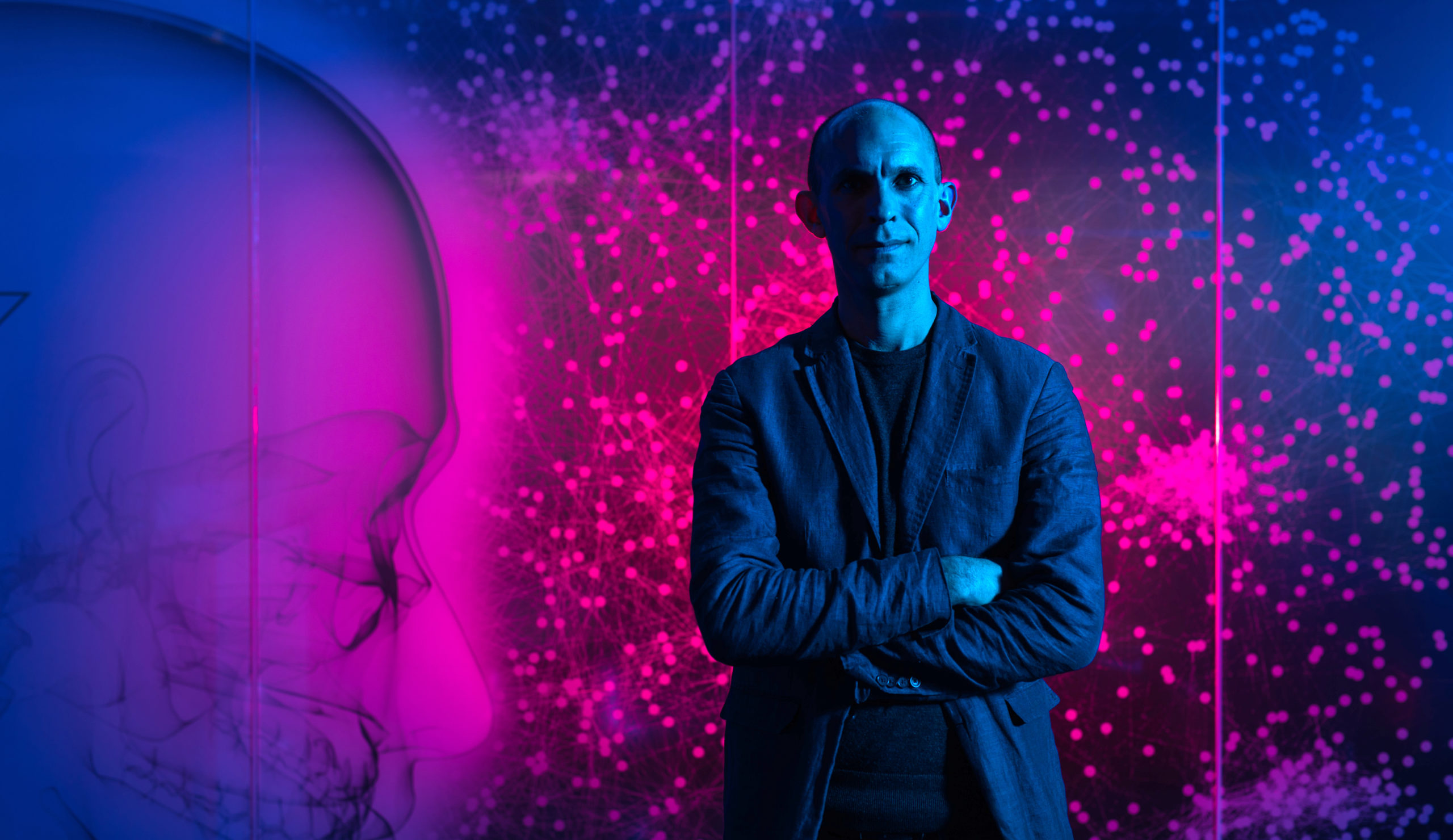
CIFAR fellows are collaborative researchers at the top of their fields.
Our community of fellows, advisors, CIFAR Azrieli Global Scholars, and Canada CIFAR AI Chairs includes more than 400 researchers from 18 countries. They regularly contribute to papers in the top 1% of most-cited papers worldwide. Fellows are selected for academic and communication excellence, and for how their expertise fits into the goals of a program.
CATALYST FUND
We encourage our community of researchers to work across programs and disciplines.
Through Catalyst Funds, we facilitate and support high-risk ideas and projects within and across CIFAR’s portfolio of research programs. The time-limited grants provide flexibility for early-stage projects, encourage interdisciplinary collaborations, and address emerging and exploratory themes within or between research programs.
Research News
Discover the latest advances from our community.
Advances
“the House that Pigs built:” CIFAR researchers unveil how pig-derived materials shape everyday life
In Copenhagen, pigs outnumber people nearly five to one. But their presence extends far beyond farms, shaping everyday l...
April 16, 2026
AI Safety
CIFAR awards over $1M to support sociotechnical challenges in AI safety
Eight projects announced to receive funding for AI safety research.
March 28, 2026
AI Safety
CIFAR commits $1M to global AI safety initiative
Four new Canadian research projects join the UK-led international AI Alignment Project where they will receive up to $16...
February 19, 2026
Advances
CIFAR Fungal Kingdom sparks new antifungal drug partnership
A new drug collaboration highlights how CIFAR’s Fungal Kingdom: Threats & Opportunities program is accelerating the tr...
February 17, 2026
AI Safety
A Year of Impact for AI Safety in Canada
In 2025, the CAISI Research Program at CIFAR awarded $2.4M in funding to advance innovative research in AI safety
January 21, 2026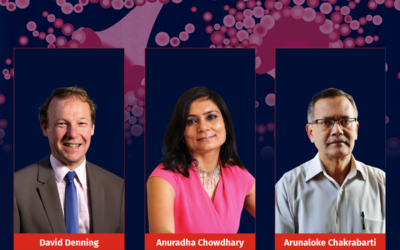
Advances
At the frontlines of fungal disease: India’s top doctors collaborate with CIFAR researchers
Top experts joined a recent program meeting to share their expertise on the global rise of fungal di
January 20, 2026
AI and Society
Building safer AI with advanced evaluation methods
How Canada CIFAR AI Chairs are creating a new barometer for AI safety
December 03, 2025
AI and Society
CIFAR launches new AI safety Networks to address synthetic evidence in the legal system and linguistic inequality
CIFAR has launched its first two AI safety Solution Networks under the Canadian AI Safety Institute (CAISI) Research Pro...
November 19, 2025
AI Safety
Calls open for global AI alignment research initiative
The Alignment Project will fund over £15 million to support groundbreaking AI research to keep advanced systems safe, s...
August 05, 2025
Advances
CIFAR launches new exploration on “The Future of Food”
A panel of experts is guiding enhanced foresight into challenges and opportunities facing the future of global food syst...
July 15, 2025